Unlocking Whimsy: Why Brother Hood is the Perfect Display Font for Creative Projects
In a digital landscape often dominated by sterile, minimalist sans-serifs and rigid grid-based layouts, there is a distinct hunger for personality. Designers, crafters, and content creators are constantly searching for that one element that can transform a standard project into something memorable. This is where Brother Hood steps in. It isn't just another typeface; it is a sweet and whimsical display font designed to inject warmth, nostalgia, and charm into any visual composition.
Whether you are designing a greeting card for a loved one, creating a presentation for a creative workshop, or crafting a unique label for a handmade product, the right typography can make all the difference. Brother Hood offers a specific set of characteristics that cater to projects requiring a human touch. Let's explore what makes this font so special and how you can leverage its unique qualities in your own workflow.
The Character and Personality of Brother Hood
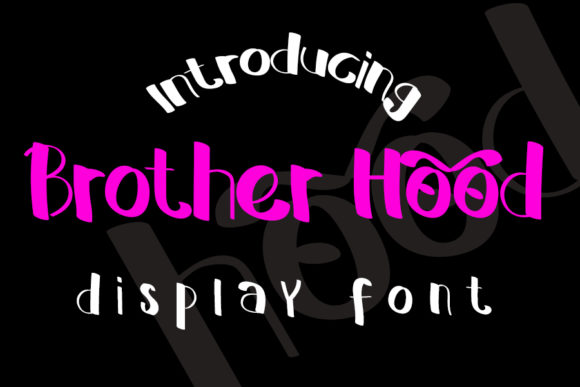
When we talk about display fonts, we aren't discussing body text meant to be read paragraph after paragraph. We are talking about headlines, titles, and decorative elements that need to grab attention immediately. Brother Hood excels in this arena because of its inherent personality. The letterforms are rounded, soft, and slightly irregular, mimicking the look of hand-drawn calligraphy without the inconsistency of actual handwriting.
This "sweet" quality is not accidental. The font features gentle curves and playful terminals that invite the viewer in. Unlike aggressive, bold display fonts that scream for attention, Brother Hood whispers with confidence. It creates an atmosphere of friendliness and approachability. If your goal is to evoke feelings of joy, comfort, or childhood nostalgia, this is the tool you need.
The whimsical nature of the design allows it to stand out in crowded spaces. In a sea of corporate Helvetica or standard Times New Roman, Brother Hood acts as a visual break. It signals to the audience that what they are looking at is fun, creative, and perhaps a bit different. This makes it particularly effective for brands that want to appear accessible rather than distant.
Visual Characteristics That Define the Style
To truly appreciate Brother Hood, one must look at the details. The x-height is generous, making the letters feel open and airy. The spacing between characters (tracking) is usually optimized for display use, ensuring that words don't feel cramped but also don't float apart too loosely. The strokes vary in thickness in a way that suggests movement, giving static text a sense of life.
Furthermore, the font includes a range of ligatures and alternate glyphs that allow for customization. You might find a version of the letter 'e' that looks like a smile or a 't' with a playful crossbar. These small touches are what elevate the font from "good" to "great." They give designers the freedom to tweak the mood slightly depending on the context of the project.
Practical Applications Across Industries
The versatility of a font like Brother Hood lies in its ability to fit into various industries while maintaining its core identity. It is not limited to just one niche. Its broad appeal makes it a staple in several creative fields.
- Greeting Cards and Stationery: This is perhaps the most natural home for Brother Hood. Whether you are designing a birthday card, a wedding invitation, or a holiday note, the font adds an immediate layer of emotion. It feels personal, as if written by a friend rather than a machine.
- Crafting and Scrapbooking: For physical crafters, Brother Hood is a game-changer. When used on Cricut machines or Silhouette cutters, the clean lines of the font translate beautifully to vinyl, paper, and fabric. It works perfectly for t-shirts, tote bags, and custom mugs where a handmade aesthetic is desired.
- Digital Design and Social Media: In the fast-paced world of social media, visuals need to stop the scroll. Using Brother Hood for Instagram story overlays, YouTube thumbnails, or blog headers can significantly increase engagement. The whimsical style stands out against the polished, professional look of many other influencers.
- Presentation Design: Who says presentations have to be boring? For educators, storytellers, or creative agencies, using Brother Hood for slide titles can break the monotony of bullet points. It helps to frame the narrative as a journey rather than a data dump.
Scenario: Branding a Bakery
Imagine you are launching a small, artisanal bakery called "The Sweet Loaf." Your logo needs to convey homemade goodness, fresh ingredients, and a warm community vibe. A sleek, modern geometric font would feel cold and industrial. However, using Brother Hood for the main logo and menu items instantly communicates that your bread is baked with love. Customers see the font and imagine a cozy kitchen, not a factory line.
Integrating Brother Hood into Modern Workflows
Adopting a new font requires more than just downloading a file; it requires understanding how it fits into your daily tools and processes. Fortunately, Brother Hood is compatible with the vast majority of modern design software, including Adobe Illustrator, Photoshop, Canva, and Affinity Designer.
For those who work in digital workflows, the ease of installation is key. Once installed on your system, the font appears in your application menus just like any other typeface. This seamless integration means you don't need to learn complex plugins or workarounds. You can simply select the text tool, choose Brother Hood, and start typing.
However, there are considerations to keep in mind regarding scalability. Because Brother Hood is a display font, it is best used at larger sizes. If you try to scale it down to 8pt for a paragraph of text, the intricate details may become muddy or illegible. To maintain its authority and beauty, pair it with a clean, simple sans-serif for body copy. This contrast ensures readability while allowing the display font to shine as the star of the show.
Common Factors to Consider Before Choosing
Before you commit to using Brother Hood for a major project, there are a few practical factors to evaluate. First, consider your audience. Is your target demographic likely to respond positively to a whimsical style? For children, families, and creative enthusiasts, the answer is almost always yes. For a law firm or a financial institution, it might clash with the brand's need for seriousness and trustworthiness.
Second, think about the medium. Will this font be printed on large banners, or will it be viewed on a small mobile screen? Brother Hood holds up well on high-resolution prints, but on low-resolution screens, ensure that the rendering remains crisp. Always test your designs in grayscale as well, as some whimsical fonts lose their impact when color is removed.
Finally, consider the licensing. While many display fonts are free for personal use, commercial projects often require a specific license. Ensure you understand the terms of use for Brother Hood to avoid any legal complications later. Most reputable font providers offer clear guidelines, so take the time to read them before starting your design process.
Maximizing Impact Through Pairing
The true power of Brother Hood is unlocked when it is paired correctly. A common mistake designers make is to pair two display fonts together, resulting in a chaotic and overwhelming visual experience. Instead, balance the whimsy of Brother Hood with neutrality.
A classic pairing strategy involves combining Brother Hood with a clean, geometric sans-serif like Montserrat or Open Sans. The simplicity of the secondary font provides a solid foundation that lets the playful nature of Brother Hood take center stage. Alternatively, for a more vintage feel, you might pair it with a traditional serif font, though this requires careful attention to hierarchy to avoid clashing styles.
Color also plays a role in maximizing the font's potential. Since Brother Hood has a sweet and soft character, it pairs beautifully with pastel palettes, warm earth tones, and vibrant primary colors. Avoid using it with dark, moody, or overly saturated neon backgrounds unless you are aiming for a specific pop-art effect. The right color combination can amplify the emotional resonance of the text.
Conclusion: A Tool for Connection
In the end, typography is about communication. It is the vehicle through which we deliver messages, evoke emotions, and build connections with our audience. Brother Hood serves as a powerful tool in this arsenal, offering a unique blend of sweetness and whimsy that is hard to replicate.
Whether you are crafting a heartfelt letter, designing a marketing campaign, or putting together a presentation, the decision to use Brother Hood signals a desire to connect on a human level. It breaks down barriers and invites people to engage with your content. By understanding its strengths, respecting its limitations, and integrating it thoughtfully into your workflow, you can create designs that are not only visually stunning but also emotionally resonant.
So, the next time you face a blank canvas and feel the urge to add a touch of magic, reach for Brother Hood. Let its playful spirit guide your design choices and watch as your projects come alive with charm and character.