Homestar: Why This Quirky Display Font Is the Secret to Authentic Design
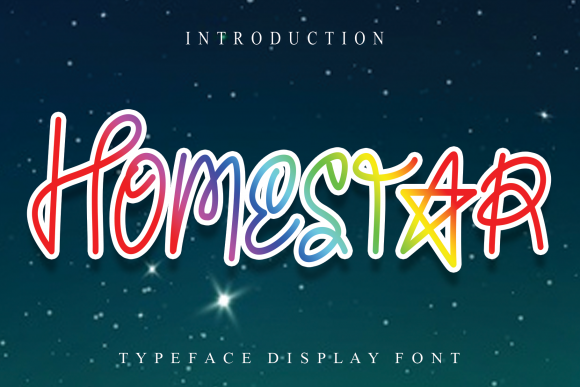
You know that feeling when a design feels just slightly off? It's not necessarily wrong, but it lacks soul. It feels sterile, corporate, or perhaps too generic for the message you are trying to convey. This is where Homestar steps in. It is not just another typeface; it is a cool and quirky display font designed with the perfect amount of trendiness to cut through the noise without screaming for attention.
Readable, down-to-earth, and undeniably jolly, Homestar brings a unique personality to every project. Whether you are a freelancer pitching a brand identity, a blogger writing about local events, or a small business owner updating your website, this font can make each of your designs come alive. However, using a character-driven font like this requires more than just dropping it into a layout. There are specific pitfalls that even experienced designers fall into when they try to force a "fun" aesthetic onto serious projects.
The Trap of Over-Reliance on Personality
One of the most common mistakes creators make with fonts like Homestar is assuming that because it is quirky, it should be used everywhere. The allure of its jolly nature can be tempting, leading some to apply it to everything from legal disclaimers to technical manuals. While Homestar is readable, it is primarily a display font. Its strength lies in headlines, logos, and short bursts of text where personality is required.
When you use Homestar for long paragraphs of body copy, the readability suffers. The unique curves and distinct shapes that give it charm become distracting over time, causing eye fatigue for your audience. If your goal is clear communication, relying solely on this font can undermine your credibility. You might end up with a presentation that looks playful but fails to convey authority. To avoid this, reserve Homestar for the "hook"—the title, the call to action, or the main visual element—and pair it with a neutral sans-serif for the heavy lifting of information delivery.
Misjudging the Context and Tone
Another frequent error involves ignoring the context in which the font will live. Because Homestar is so down-to-earth, it works beautifully for community centers, coffee shops, children's products, and creative portfolios. However, it can feel jarring in high-stakes environments like financial reports, healthcare services, or law firms where trust and stability are paramount.
Designers often overlook how the font interacts with the brand voice. If your brand is meant to be sleek, modern, and minimalist, Homestar might clash with your visual identity, creating a disjointed experience for the consumer. This mismatch doesn't just look bad; it confuses the user about what your business actually does. Before downloading or purchasing, ask yourself: Does the jolly spirit of Homestar align with the core values I am trying to communicate? If the answer is no, you risk alienating your target audience who expects a different tone.
A Better Approach to Pairing
Instead of letting Homestar dominate the entire visual hierarchy, treat it as an accent. Think of it as the spice in a dish rather than the main ingredient. A highly effective strategy is to pair Homestar with a clean, geometric sans-serif like Helvetica, Roboto, or Open Sans. This combination allows the headline to grab attention with its unique flair while the body text ensures the message is absorbed effortlessly. This balance creates a professional yet approachable look that appeals to a wide range of demographics, from tech-savvy millennials to traditional consumers.
Technical Oversights and File Management
Even with the right creative vision, technical execution can ruin the impact of your design. Many users download free versions of fonts only to find limited character sets or missing ligatures. When working with a display font like Homestar, checking the full glyph set is crucial. If your design requires special symbols, currency signs, or non-Latin characters, and the font file lacks them, you will be forced to substitute other fonts, breaking the visual consistency of your work.
Furthermore, licensing is a critical factor that is often overlooked. Some versions of popular fonts are restricted to personal use only. Using a font for commercial purposes without the proper license can lead to legal issues and unexpected costs later on. For entrepreneurs and marketers, this mistake can result in fines or the need to rebrand entirely after a campaign has launched. Always verify the license terms before integrating Homestar into any project intended for public distribution or sale.
- Check the weight variety: Ensure the family includes enough weights (Light, Regular, Bold) to create contrast within your design.
- Verify kerning: Display fonts often require manual kerning adjustments. Check how letters sit next to each other in your specific software environment.
- Test at various sizes: A font that looks great at 72pt might become illegible at 10pt. Always preview your design across different media.
Evaluating Quality Before Committing
Not all versions of Homestar are created equal. In the vast sea of digital resources, quality varies significantly. Some iterations may have uneven stroke widths, poor spacing, or artifacts that appear when printed. This is particularly important for print materials like business cards, brochures, or packaging. A pixelated or jagged font can make a high-quality product look cheap and unprofessional.
To ensure you are getting the best version, look for reviews from other professionals or test the font in your actual workflow before finalizing a purchase. Look for comments regarding web performance if you plan to use it online. A font that loads slowly can negatively impact your site's SEO and user retention. By taking the time to evaluate the technical quality, you protect your investment and ensure that the final output matches the high standards you expect.
Maximizing the Jolly Factor Responsibly
Ultimately, the power of Homestar lies in its ability to evoke emotion. It makes people smile, feel welcome, and connect with the content. But this emotional connection must be earned through thoughtful application. Don't let the trendiness of the font overshadow the clarity of your message. Use it to highlight the human side of your brand, but always keep the user's experience in mind.
By avoiding the common traps of overuse, misalignment, and technical negligence, you can harness the full potential of this versatile typeface. Whether you are launching a new startup, revamping a blog, or designing a fun event flyer, Homestar offers the perfect blend of style and substance. Just remember that good design is about making the right choices for the right audience, ensuring that your message is not only seen but felt.
Take a moment to review your current projects. Where could a touch of quirkiness elevate the design? With careful planning and a respect for the nuances of typography, Homestar can transform your visuals from ordinary to extraordinary, proving that a little bit of personality goes a long way in the world of design.