Poker: The Cool and Interesting Display Font That Elevates Your Designs
If you are looking for a typeface that commands attention without screaming, Poker is the asset your library has been waiting for. This cool and interesting outlined display font brings a unique structural rhythm to any project, making it an incredibly valuable addition for creators, marketers, and entrepreneurs alike. However, simply downloading a font file is not enough to ensure success. Many designers overlook the specific nuances of using display fonts like Poker, leading to projects that feel disjointed or fail to communicate their intended message effectively.
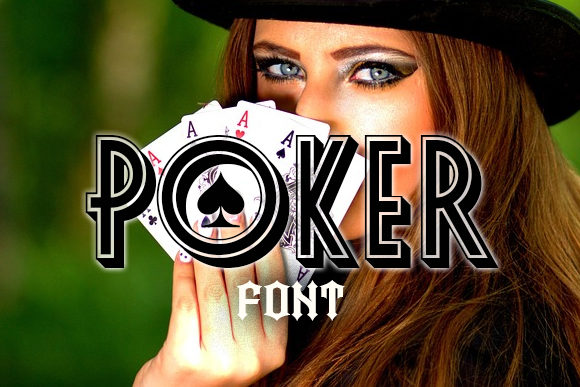
The allure of Poker lies in its bold, geometric outlines that create a sense of depth and movement. It is designed to stand out, making it perfect for headlines, logos, posters, and branding elements where impact is paramount. Yet, the very features that make it striking can also be its downfall if applied carelessly. Understanding the balance between style and readability is the first step toward mastering this typeface.
Common Pitfalls When Applying Display Fonts
One of the most frequent mistakes I see when working with Poker is assuming its visual weight makes it suitable for long-form text. Unlike body text fonts designed for sustained reading, Poker is an outline display font. Its open counters and thick strokes are optimized for short bursts of information. Using it for paragraphs or small captions creates a jarring reading experience that fatigues the eye and reduces comprehension.
Poker thrives on negative space. The gaps within the letters are part of the design language. When you crowd these characters together or set them too tightly, the optical illusion breaks down. The letters begin to merge, creating a muddy appearance that obscures the message. This often happens when designers try to force a headline to fit a specific width without adjusting tracking (letter-spacing). The result is a loss of the font's distinct personality and a drop in professional quality.
Another critical error involves color contrast. Because Poker relies on outlines rather than solid fills, low-contrast backgrounds can render the text nearly invisible. A light gray outline against a white background might look stylish in a mockup, but in the real world, it fails the accessibility standards required for clear communication. This oversight can alienate users and damage the credibility of your brand or content.
The Impact of Poor Typography Choices
When typography choices are made without considering the medium, the consequences extend beyond mere aesthetics. In marketing materials, a poorly legible headline can increase bounce rates as visitors scroll past before understanding the value proposition. For educators or freelancers presenting portfolios, unclear text suggests a lack of attention to detail, which can undermine trust in your expertise.
Cost is another factor often ignored. If a designer uses Poker incorrectly, they may end up reworking entire campaigns because the text was unreadable at smaller sizes or on different devices. This leads to wasted time, increased production costs, and delayed launches. Furthermore, using a font outside its intended scope can dilute the brand identity, making the visual language inconsistent across various touchpoints.
- Reduced Readability: Overusing Poker in dense blocks of text causes reader fatigue.
- Loss of Hierarchy: Without proper scaling, all text elements compete for attention rather than guiding the eye.
- Accessibility Issues: Low contrast or thin outlines can exclude users with visual impairments.
- Brand Dilution: Inconsistent application makes the brand appear unprofessional or chaotic.
Strategic Application for Better Results
To avoid these pitfalls, start by defining the role of Poker in your specific project. Is it the hero headline? A logo mark? A call-to-action button? Once you have identified its primary function, establish strict usage guidelines. Limit the font to titles, headers, and short phrases. Pair it with a clean, neutral sans-serif or serif font for body copy to create a harmonious contrast between style and substance.
Pay close attention to spacing. The outlined nature of Poker requires more generous tracking than solid fonts. You need to give the letters room to breathe so that the internal geometry remains visible. Experiment with kerning pairs, especially around curved letters like 'O' or 'C', to ensure the outlines align visually with adjacent characters. This subtle adjustment can transform a cluttered layout into a polished, professional design.
Color selection is equally vital. Choose high-contrast combinations that highlight the outline structure. Deep blacks or dark navies against bright whites work well, as do vibrant colors against muted backgrounds. Always test your designs in grayscale to ensure the hierarchy holds up even when color is removed. This simple check ensures that your message remains clear regardless of the viewing conditions.
Evaluating Before You Download
Before integrating Poker into your workflow, take the time to evaluate the font file thoroughly. Check the character set to ensure it includes all necessary symbols, numbers, and special characters for your target audience. Some free versions may lack ligatures or alternative glyphs that could enhance your design flexibility. Additionally, verify the licensing terms. Whether you are a small business owner or a large agency, using a font without the proper commercial license can lead to legal complications.
Consider the technical performance of the font. Does it load quickly on web platforms? Are there multiple weights available to support responsive design? A robust version of Poker will offer versatility across screens, from mobile phones to large billboards. If the font file is bloated or lacks optimization, it could slow down your website, negatively impacting user experience and search engine rankings.
- Test at Multiple Sizes: Ensure the outlines remain crisp and readable from 12px up to 100px+.
- Check Cross-Platform Compatibility: Verify how the font renders on iOS, Android, Windows, and macOS.
- Review Licensing Details: Confirm whether the license covers digital, print, and broadcast use cases.
- Analyze Contrast Ratios: Use tools to measure accessibility compliance before finalizing designs.
Maximizing Value Through Smart Design
The true power of Poker emerges when it is used intentionally. Instead of treating it as a generic decorative element, think of it as a strategic tool that shapes perception. For bloggers and content creators, a well-placed Poker headline can stop the scroll and invite readers deeper into the article. For entrepreneurs, a custom logo utilizing this font can convey confidence and modernity.
Remember that good design is about making the right choices, not just adding flashy elements. By avoiding common mistakes and focusing on clarity, contrast, and context, you can leverage the cool and interesting aesthetic of Poker to elevate your creations. Whether you are designing a campaign for a startup, a presentation for a client, or a personal project, this font offers the potential to make a lasting impression.
Take the time to experiment responsibly. Create variations, test different pairings, and refine your approach based on feedback. When you respect the unique characteristics of Poker, you unlock its full potential as an asset in your design library. The difference between a mediocre project and a standout creation often comes down to these thoughtful decisions. Make sure your next project reflects the quality and precision that Poker deserves.