Unlocking Creativity with Razor: The Ultimate 3D Display Font for Modern Designers
In the fast-paced world of digital design, typography is more than just a method of conveying text; it is a powerful visual language that sets the tone, evokes emotion, and captures attention instantly. When you are looking to make a bold statement on a poster, a website header, or a social media graphic, standard fonts often fall short. This is where Razor steps in as an absolute game-changer. As an awesome 3D display font, Razor offers a unique aesthetic that fits perfectly on each of your designs, transforming ordinary layouts into extraordinary visual experiences.
Whether you are a seasoned graphic designer seeking to elevate your portfolio or a beginner exploring the nuances of type selection, understanding the power of specialized display fonts is crucial. In this guide, we will explore what makes Razor so special, how to use it effectively, and why incorporating this tool can take your creative projects to the next level. Have fun with this beautiful font and explore its endless variations today.
What Exactly is Razor?
To understand the value of Razor, we must first define what kind of tool it is. Unlike traditional serif or sans-serif fonts designed for long-form reading (like body text), Razor belongs to the category of display fonts. These are typefaces specifically engineered to be seen from a distance or at large sizes. Their primary purpose is to grab attention immediately.
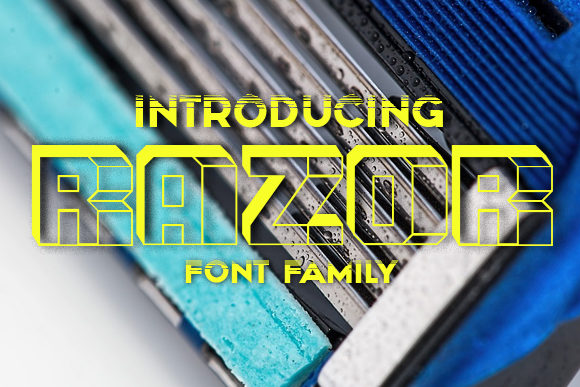
Razor distinguishes itself through its distinctive three-dimensional rendering. While many fonts rely on simple outlines or flat colors, Razor simulates depth, giving letters a tangible, sculpted appearance. Imagine a letter "A" that looks like it has been carved out of metal or extruded from plastic; that is the essence of the Razor style. This 3D effect adds a layer of physicality to digital screens, making the text feel present and impactful.
The versatility of Razor lies in its ability to adapt to various themes. Whether you need a futuristic look for a tech startup, a rugged aesthetic for a gaming brand, or a sleek finish for a luxury product launch, Razor provides the structural foundation to achieve these goals. It is not merely a font; it is a design element that commands respect.
The Psychology of 3D Typography
Why do designers choose 3D fonts over flat ones? The answer lies in human psychology. Our brains are wired to recognize depth cues. When we see text with shadows, highlights, and volume, our attention is naturally drawn to it. This phenomenon is known as visual hierarchy.
By using Razor, you are leveraging this psychological trait to ensure your key messages are noticed first. In a crowded marketplace where users scroll through hundreds of images in seconds, a 3D display font acts as a beacon. It breaks the monotony of flat web pages and creates a focal point that guides the viewer's eye exactly where you want it to go.
Practical Applications in Modern Design
The relevance of Razor extends far beyond theoretical aesthetics. In modern life, work, and business, visual communication is paramount. Here is how Razor fits seamlessly into various professional and creative scenarios:
- Branding and Logos: A logo needs to be memorable. Using Razor for a brand name can give a company a strong, industrial, or futuristic identity. Think of automotive brands or energy companies that want to project strength and innovation.
- Social Media Marketing: Platforms like Instagram and TikTok thrive on quick engagement. Posters and stories featuring Razor text stand out in a feed filled with photos and videos. The 3D effect ensures that promotional offers or announcements pop off the screen.
- Event Posters and Flyers: For concerts, festivals, or corporate events, the poster is the first interaction a potential attendee has with the event. Razor's dynamic look can convey excitement and energy, encouraging people to attend.
- Video Game Interfaces: Gamers are accustomed to high-fidelity graphics. Razor fits perfectly into user interfaces (UI) for games, providing menu headers and quest titles that feel immersive and integrated into the game world.
- Educational Materials: Even in education, engagement is key. Teachers and content creators can use Razor to highlight important concepts, chapter titles, or safety warnings, making learning materials more visually stimulating.
How to Use Razor Effectively
While Razor is undeniably attractive, using it incorrectly can lead to cluttered designs. To get the most out of this awesome 3D display font, consider the following best practices:
- Keep it Simple: Because Razor is visually heavy, it works best when used sparingly. Do not use it for long paragraphs of text. Instead, reserve it for headlines, subheadings, and key phrases. Let the 3D effect shine by giving it room to breathe.
- Contrast is Key: Ensure there is sufficient contrast between the text and the background. If your background is busy or colorful, a lighter version of Razor might get lost. Conversely, dark backgrounds can make the 3D highlights of Razor truly glow.
- Pairing Fonts: One of the most common mistakes is trying to pair two display fonts. Since Razor is already complex, pair it with a clean, minimal sans-serif font for any supporting text. This balance prevents the design from becoming overwhelming.
- Explore Variations: Most 3D fonts come with different weights, styles, and effects. Don't just stick to the default setting. Experiment with lighting angles, bevels, and colors to create unique variations that suit your specific project.
Common Misunderstandings About Display Fonts
There is a persistent myth that 3D fonts are outdated or belong only to the early days of the internet. This could not be further from the truth. With advancements in rendering technology and a shift towards immersive user experiences, 3D typography is experiencing a massive resurgence. Modern designers use tools like Blender, C4D, and advanced CSS filters to create realistic 3D text, but having a dedicated font like Razor streamlines this process significantly.
Another misconception is that 3D fonts are difficult to read. While they are not suitable for small body text, when used correctly as headlines, they are highly legible. The key is size and context. If the text is large enough to appreciate the 3D details, readability remains high. The goal is to enhance the message, not obscure it.
Technical Considerations and Accessibility
As responsible designers, we must also consider accessibility. While Razor is visually stunning, it is essential to ensure that your designs remain accessible to all users, including those with visual impairments.
If you are using Razor for web design, ensure that the fallback options are set up correctly. While the 3D effect might be rendered via CSS or an image, the underlying HTML should still contain readable text. Additionally, maintain a high contrast ratio between the text color and the background to meet WCAG (Web Content Accessibility Guidelines) standards. Remember, beauty should never come at the cost of usability.
For print applications, be mindful of the resolution. 3D effects often rely on fine gradients and shadows. Ensure your file output is high-resolution (typically 300 DPI for print) so that the edges of the 3D letters remain crisp and do not appear pixelated or blurry.
Embracing Creativity with Razor
The true power of Razor lies in its potential for experimentation. It invites designers to step outside their comfort zones and try new combinations of color, texture, and layout. Perhaps you want to combine Razor with a metallic gradient to simulate chrome? Or maybe you want to apply a neon glow effect to mimic cyberpunk aesthetics? The possibilities are virtually limitless.
When you approach design with a mindset of exploration, you unlock a level of creativity that transforms routine tasks into artistic endeavors. By integrating Razor into your workflow, you are not just selecting a font; you are choosing a tool that empowers you to tell your story more vividly. Whether you are designing a personal blog, a corporate presentation, or a marketing campaign, this font offers the flexibility to adapt to your vision.
In conclusion, Razor is more than just a collection of characters; it is a gateway to dynamic visual storytelling. Its 3D structure provides depth and dimension that flat fonts simply cannot match. By understanding its purpose, respecting its limitations, and experimenting with its variations, you can create designs that leave a lasting impression.
So, dive in, download the font, and start creating. Have fun with this beautiful font and explore its endless variations. Your next masterpiece might just be one headline away. Embrace the depth, command the attention, and let Razor bring your ideas to life in three dimensions.