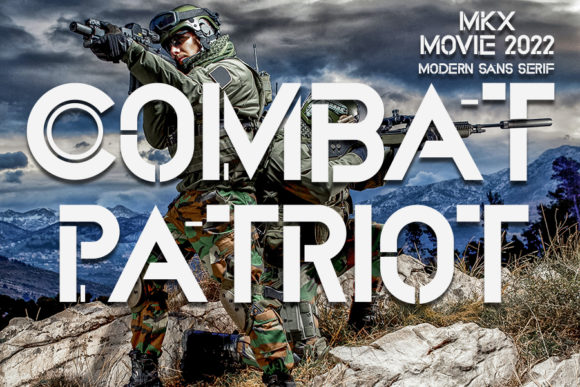
Evaluating Combat Patriot for High-Impact Design Projects
Selecting the right typeface is often the most critical decision in visual communication, particularly when the goal is to command immediate attention. In a landscape saturated with generic sans-serifs and subtle serifs, Combat Patriot emerges as a distinct choice for designers seeking to convey strength, urgency, and a futuristic aesthetic. This font is not merely a collection of characters; it is a stylistic statement designed to transform standard layouts into bold visual experiences. For professionals aged 20 to 50 who are evaluating design tools and resources, understanding the specific utility of Combat Patriot requires looking beyond its initial appearance to consider how it functions within a broader design strategy.
The primary distinction of Combat Patriot lies in its geometric precision mixed with aggressive, military-inspired styling. Unlike traditional display fonts that rely on ornate details or historical references, this typeface draws inspiration from tactical gear, ballistic typography, and modern industrial design. The letterforms feature sharp angles, consistent stroke widths, and a blocky structure that suggests durability. When placed on a poster, flyer, or digital banner, Combat Patriot does not whisper; it projects authority. This makes it an ideal candidate for projects where the message must be delivered with absolute clarity and impact.
Understanding the Unique Characteristics of Combat Patriot
To determine if Combat Patriot fits your project, one must analyze its structural DNA. The font is engineered to maintain legibility even at extreme sizes or when viewed from a distance. This is a crucial factor for print media such as event flyers, concert posters, and promotional banners. While many decorative fonts sacrifice readability for style, Combat Patriot balances both by utilizing open counters and clear terminals. The futuristic aspect comes from the slight modifications to standard letter shapes, giving them a technological edge without becoming unreadable gibberish.
Another defining feature is its versatility within the "bold" category. It offers a weight that feels substantial, allowing it to anchor a composition effectively. However, it is important to note that this font is primarily a display typeface. It is not designed for body text or long-form content. Using Combat Patriot for paragraphs would result in visual fatigue and poor user experience. Its strength is reserved for headlines, titles, logos, and short, punchy taglines. This limitation is not a flaw but a deliberate design choice that separates it from all-purpose fonts like Helvetica or Arial.
Comparative Analysis: Display Fonts vs. Standard Typefaces
When evaluating design options, it is helpful to compare Combat Patriot against other categories of typography. Standard sans-serif fonts are versatile and safe, making them excellent for corporate branding, websites, and documentation. They provide neutrality and allow the content to speak for itself. In contrast, Combat Patriot brings a strong personality to the forefront. If a brand identity relies on approachability, calmness, or minimalism, this font would likely be counterproductive.
However, in scenarios requiring high energy—such as sports marketing, gaming promotions, action movie posters, or patriotic events—the tradeoffs shift dramatically. A neutral font might fail to capture the intensity of the subject matter. Here, Combat Patriot excels. It fills the void left by generic options, providing a sense of movement and power that static fonts cannot achieve. The comparison is not about which font is "better," but rather which tool serves the specific communicative goal. For a tech startup launching a new app, a clean, modern sans-serif might be the superior choice. For a heavy metal band releasing an album, Combat Patriot becomes the obvious selection.
Practical Applications and Use Cases
The potential applications for Combat Patriot are vast, provided the context aligns with its aggressive nature. One of the most effective uses is in print advertising where space is limited, and the viewer's attention span is fleeting. A flyer for a fitness challenge, a tactical training seminar, or a car show can utilize this font to instantly communicate the theme. The futuristic elements of the design suggest innovation and cutting-edge performance, which resonates well with audiences interested in technology, automotive culture, or extreme sports.
- Event Posters: The bold strokes ensure visibility from a distance, making it perfect for street-level promotion.
- Product Packaging: For items like energy drinks, gaming peripherals, or outdoor gear, the font adds a layer of perceived ruggedness.
- Digital Banners: On social media feeds where images are small, the thick lines of Combat Patriot prevent the text from disappearing into the background.
- Logo Design: Brands aiming for a strong, memorable identity can use this font to create a logo that stands out in a crowded marketplace.
In each of these scenarios, the font acts as a visual amplifier. It takes a simple message and elevates it through texture and form. Designers should also consider the color palettes that pair best with Combat Patriot. High-contrast combinations, such as black and neon yellow, or deep blue and silver, tend to enhance the futuristic and tactical feel. Soft pastels or muted tones may clash with the font's inherent hardness, diminishing its intended effect.
Evaluating Limitations and Tradeoffs
No design resource is without its constraints, and Combat Patriot is no exception. The most significant limitation is its narrow scope of application. Because of its heavy visual weight, it can easily overpower a design if used excessively. A layout consisting entirely of Combat Patriot will appear chaotic and exhausting to the eye. Effective design requires rhythm and balance, often achieved by pairing this bold display font with a much simpler, lighter typeface for supporting information.
Furthermore, the font's specific aesthetic may alienate certain demographics. While it appeals strongly to audiences interested in action, technology, and bold statements, it may feel inappropriate for industries like healthcare, education, or finance, where trust and stability are paramount. In these sectors, the "combat" aspect of the name and the aggressive styling could send unintended messages. Designers must exercise caution when selecting this font for clients with conservative brand guidelines. The decision to use Combat Patriot should always be driven by the target audience's expectations and the brand's core values.
Making the Right Choice for Your Project
Ultimately, choosing between Combat Patriot and other alternatives depends on a clear understanding of the project's objectives. If the goal is to create a sense of urgency, excitement, or futuristic innovation, this font is a powerful asset. It allows designers to explore endless possibilities in terms of layout and visual hierarchy. However, if the priority is readability, neutrality, or subtlety, there are likely better options available in the market.
For those exploring alternatives, the key is to look at the "vibe" rather than just the shape. Are there other fonts that offer similar geometric rigor but with a softer touch? Perhaps. But if the specific requirement is a "futuristic and bold" look that screams from the page, Combat Patriot remains a top contender. It is a specialized tool that, when used correctly, can elevate a design from ordinary to extraordinary.
Designers should approach this font with a strategic mindset. Before downloading or purchasing, consider the medium of delivery, the cultural context of the audience, and the emotional response you wish to evoke. By treating Combat Patriot as a deliberate component of a larger visual system rather than a default choice, you can leverage its unique strengths to create work that is both impactful and professional. Whether for a poster, a flyer, or a digital campaign, this font offers a distinct path to visual dominance, proving that sometimes the boldest choice is the one that stands out the most.
In conclusion, Combat Patriot represents a specific niche in the world of typography. It is not a universal solution, but for the right application, it is unmatched. Its ability to blend futuristic aesthetics with a rugged, military-inspired style provides a unique advantage for designers tackling high-energy projects. By understanding its strengths, acknowledging its limitations, and comparing it thoughtfully against other options, professionals can make informed decisions that lead to successful, engaging designs.