Sport Kids Font Evaluation: Features, Use Cases, and Design Considerations
In the landscape of typography, selecting the right typeface is often the difference between a design that resonates and one that falls flat. For projects centered on energy, movement, and youthful enthusiasm, Sport Kids has emerged as a distinctive option. This bold, chunky lettered font is specifically engineered to convey power, racing, and speed. However, before integrating it into a project, designers must evaluate its specific characteristics against their intended goals.
This analysis explores the functional attributes of Sport Kids, examines scenarios where it serves as an optimal choice, and identifies situations where alternative solutions might be more appropriate. The objective is to provide a clear framework for decision-making based on visual impact and practical application.
Understanding the Typography: What Is Sport Kids?
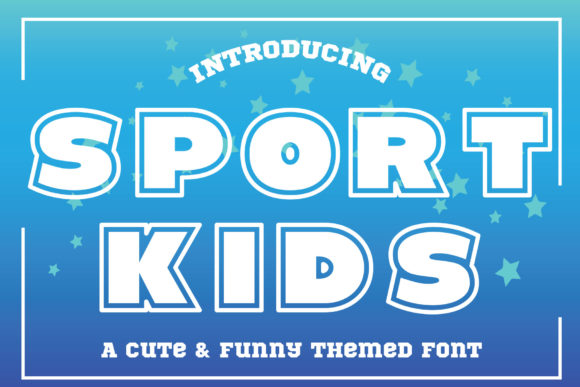
Sport Kids is classified as a display typeface, meaning it is designed primarily for large sizes rather than body text. Its defining characteristic is its substantial weight and rounded, block-like geometry. Unlike standard sans-serif fonts which prioritize legibility at small scales, Sport Kids prioritizes immediate visual recognition and emotional impact.
The letterforms are constructed with thick strokes and minimal contrast, creating a solid, almost three-dimensional appearance. This "chunky" aesthetic mimics the look of athletic jerseys, racing decals, and energetic signage. The font family typically includes uppercase characters that are wide and imposing, making them ideal for headlines where the text needs to dominate the visual hierarchy.
When evaluating Sport Kids, it is important to note that it does not aim for subtlety. It is inherently loud. The design language suggests motion and activity, which aligns perfectly with industries focused on physical performance, competitive events, or high-energy entertainment.
Strategic Applications and Benefits
Designers seeking to communicate specific themes often find that Sport Kids offers immediate semantic value. The font carries connotations of action and vitality without requiring additional imagery to support the message. Below are the primary benefits of utilizing this typeface in professional projects:
- Immediate Thematic Alignment: For designs related to sports teams, youth leagues, or fitness challenges, Sport Kids provides instant context. The style evokes the feeling of a game day atmosphere or a high-speed race track.
- High Visibility: Due to its bold weight and expanded proportions, the font remains legible from a distance. This makes it an excellent choice for posters, banners, and social media graphics where the viewer may only have seconds to process the information.
- Youthful Appeal: The name and the rounded nature of the letters appeal to younger demographics. It softens the aggression of some heavy display fonts while maintaining a sense of strength, making it suitable for children's sports programs or educational materials.
- Dynamic Composition: The unique shape of the letters allows for creative spacing and stacking. Designers can manipulate kerning and line height to create a sense of forward momentum, reinforcing themes of speed and progress.
Tradeoffs and Practical Limitations
While Sport Kids excels in specific contexts, its aggressive styling introduces significant constraints. A font that works brilliantly for a headline can fail miserably when used incorrectly elsewhere. Understanding these tradeoffs is essential for maintaining a professional aesthetic.
The most critical limitation is readability at smaller sizes. Because the letterforms are so dense and bold, reducing the font size causes the internal counters (the enclosed spaces within letters like 'o' or 'e') to close up, turning the text into a solid block. Consequently, Sport Kids should never be used for paragraphs of body copy or fine print details.
Additionally, the font's strong personality can clash with other design elements if not balanced carefully. In a layout that already features busy photography or complex patterns, adding another heavy visual element can result in clutter. The font demands negative space around it to breathe; crowding it diminishes its impact.
Another consideration is versatility. If a brand identity requires a tone that is serious, corporate, or understated, Sport Kids will likely undermine that message. Its casual, sporty vibe may appear unprofessional in legal documents, financial reports, or healthcare communications where trust and clarity are paramount.
Situations Where Sport Kids Is a Strong Fit
To determine if this typeface aligns with your project, consider whether the following conditions apply:
- Event Promotion: When designing flyers for local tournaments, school sports days, or community races, the font captures the excitement of the event effectively.
- Athletic Branding: For logos or merchandise such as t-shirts and caps for sports clubs, the chunky lettering mirrors the aesthetic of professional athletic wear.
- Apparel and Merchandise: The font translates well to screen printing and embroidery due to its simple, bold lines, which reproduce cleanly on fabric.
- Digital Headers: On mobile devices or web banners, where attention spans are short, the distinct shape of Sport Kids helps content stand out in a feed of text-heavy posts.
In these scenarios, the font acts as a visual shorthand for energy and competition, allowing the design to communicate its purpose instantly.
When to Consider Alternatives
There are numerous instances where the boldness of Sport Kids becomes a liability. If the goal is to convey elegance, precision, or neutrality, a different typeface is necessary. Specifically, avoid using this font in the following contexts:
If you are designing for a corporate environment, a clean geometric sans-serif or a classic serif typeface would better suit the need for professionalism. Similarly, for editorial layouts that require long-form reading, a highly legible text font is required to ensure reader comfort over extended periods.
Furthermore, if the design concept relies on minimalism, the heavy presence of Sport Kids may overwhelm the composition. In cases where the image or photography is the hero of the design, a lighter, more neutral font allows the visual subject to remain the focal point.
Practical Decision-Making Insights
Selecting the right font ultimately comes down to matching the tool to the task. Before committing to Sport Kids, ask yourself what emotion you want the audience to feel. Do you want them to feel excited and ready to move? Or do you want them to feel calm and informed?
It is also wise to test the font in its intended medium. A font that looks impressive on a computer monitor may lose its definition when printed on low-resolution paper or viewed on a small smartphone screen. Always review proofs to ensure the bold strokes do not merge together.
Finally, consider pairing. Sport Kids is rarely used in isolation. Successful designs often pair it with a simple, neutral secondary font for any necessary explanatory text. This contrast ensures that while the headline grabs attention, the supporting information remains accessible and easy to read.
In conclusion, Sport Kids is a powerful asset for designers working within the realms of sports, racing, and youth-oriented content. Its ability to convey speed and power is unmatched by more traditional typefaces. However, its utility is strictly limited to display applications. By understanding its strengths and acknowledging its limitations, designers can make informed decisions that enhance their projects rather than detract from them.