Bo Child: A Comprehensive Evaluation of the Display Font
Selecting the right typography is a critical step in any design project. It influences readability, brand perception, and the overall emotional tone of a piece. Among the various options available to designers today, Bo Child has emerged as a distinct choice for those seeking a specific aesthetic. This article provides an objective evaluation of Bo Child, exploring its characteristics, potential applications, and how it fits into a broader typographic library.
Understanding the Bo Child Typeface
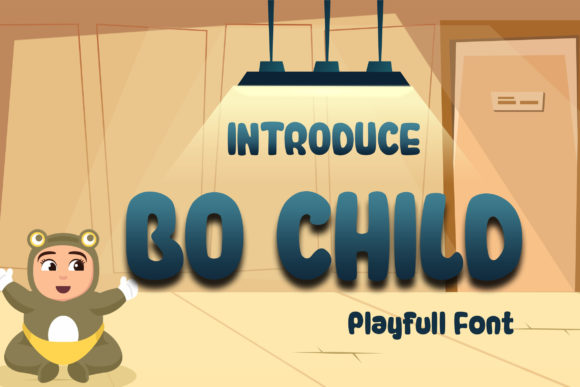
Bo Child is classified as a display font. Unlike text fonts designed for long-form reading, display typefaces are optimized for impact at larger sizes. The visual identity of Bo Child is defined by its cool and bubbly appearance. This combination suggests a playful yet modern character that avoids being overly childish or generic.
The "bubbly" nature of the letterforms implies rounded edges and a sense of fluidity. These shapes create a soft visual entry point for the viewer, making the text feel approachable. Simultaneously, the "cool" aspect refers to the refined execution of these curves, ensuring that the font does not appear dated or amateurish. When integrated into a design, Bo Child possesses the potential to elevate a creation by adding a layer of personality that standard sans-serifs often lack.
Key Characteristics and Visual Traits
- Geometric Softness: The letters feature rounded terminals that soften the geometry of the alphabet without sacrificing structure.
- Consistent Weight: As a display font, it maintains a consistent stroke weight that ensures legibility even when scaled up significantly.
- Versatile Mood: The balance between cool and bubbly allows it to fit various contexts, from casual events to modern branding.
Reasons to Consider Bo Child for Your Projects
Designers often look for fonts that can solve multiple problems with a single asset. Bo Child offers several practical reasons for inclusion in a font library. Its primary strength lies in its ability to communicate a specific mood instantly.
Enhancing Brand Personality
In a crowded digital landscape, brands need to differentiate themselves quickly. Bo Child can serve as an incredible asset for businesses aiming to project a friendly, innovative, and youthful image. For startups in the lifestyle, food, or creative sectors, this font can help establish a unique voice without requiring complex graphic elements. The bubbly nature of the typeface subconsciously signals openness and accessibility, which are valuable traits for customer-facing content.
Visual Hierarchy and Attention
One of the main functions of a display font is to break the monotony of body text. Bo Child excels at drawing the eye to headlines, logos, and call-to-action buttons. Because of its distinct shape, it commands attention more effectively than neutral typefaces. This makes it highly effective for posters, social media graphics, and packaging where immediate engagement is necessary.
Benefits and Practical Applications
When evaluating whether to download and utilize Bo Child, it is helpful to consider the tangible benefits it brings to a workflow.
- Creative Flexibility: The font's unique style allows it to be used in a wide range of projects, from event invitations to product labels.
- Emotional Connection: The warm, rounded forms foster a sense of trust and comfort in the audience.
- Library Asset Value: As noted in many design discussions, having a versatile display font like Bo Child expands the toolkit available for future projects, reducing the need to search for new typefaces constantly.
Tradeoffs and Considerations
No single typeface is suitable for every situation. While Bo Child is a strong option for display purposes, there are limitations that designers must acknowledge before committing to it.
Limited Legibility in Small Sizes
The defining features of Bo Child—its rounded and stylized forms—are best appreciated at large scales. Using this font for body copy or small UI elements can lead to readability issues. The bubbly shapes may cause characters to blur together when rendered at low resolutions or small point sizes. Designers should plan to pair Bo Child with a highly legible sans-serif or serif font for longer passages of text.
Contextual Appropriateness
The "cool and bubbly" aesthetic may not align with all brand identities. In industries such as finance, law, or healthcare, where seriousness and stability are paramount, Bo Child might be perceived as too informal or whimsical. It is crucial to evaluate the cultural expectations of the target audience before selecting this font.
Situations Where Bo Child Is a Strong Fit
To determine if Bo Child aligns with your goals, consider the following scenarios where it performs exceptionally well:
- Event Marketing: Concerts, festivals, and community gatherings benefit from the energetic vibe of the font.
- Child-Centric Products: Toys, educational materials, and children's books often require a font that feels safe and fun, which Bo Child provides naturally.
- Food and Beverage Packaging: Brands selling snacks, beverages, or confectionery can use the font to evoke a sense of enjoyment and indulgence.
- Social Media Campaigns: Short-form content that relies on quick visual stops works well with the distinctive shapes of Bo Child.
When Alternatives May Be Worth Considering
While Bo Child is a valuable asset, there are times when other typefaces might better serve the project's objectives.
Need for Formality
If the project requires a tone of authority, precision, or minimalism, a geometric sans-serif or a classic serif might be a superior choice. Fonts with sharper angles and less decorative flair will convey professionalism more effectively in corporate environments.
Extensive Character Sets Required
For international projects requiring extensive language support, it is essential to verify the character set of Bo Child. Some display fonts have limited glyph coverage compared to system fonts. If the project demands multilingual support, alternatives with robust Unicode coverage should be prioritized.
Practical Decision-Making Insights
Making the final decision on a typeface involves more than just looking at the glyphs. It requires a strategic assessment of the project's needs against the font's capabilities.
Evaluate the Hierarchy: Determine if the font will be used primarily for headlines or if it needs to handle significant amounts of text. If the latter is true, Bo Child should likely be paired rather than used alone.
Test at Scale: Always preview the font at the actual sizes it will be used in. A font that looks perfect on a desktop monitor might lose its definition on mobile screens or printed materials.
Consider Longevity: Trends in typography change rapidly. Assess whether the "cool and bubbly" style of Bo Child is a fleeting trend or a timeless design element that will remain relevant for the duration of the campaign.
Conclusion
Bo Child represents a thoughtful addition to a designer's collection. Its cool and bubbly display style offers a unique way to capture attention and convey a friendly, modern message. By understanding its strengths in display contexts and recognizing its limitations regarding body text and formal tones, designers can make informed decisions about its usage.
Whether used to elevate a logo, spice up a poster, or define a brand's voice, Bo Child has the potential to be an incredibly asset to your fonts' library. However, successful implementation depends on matching the font's personality with the appropriate context. By weighing the benefits against the tradeoffs, you can ensure that Bo Child serves your creative goals effectively.