Kid Craft Font Evaluation
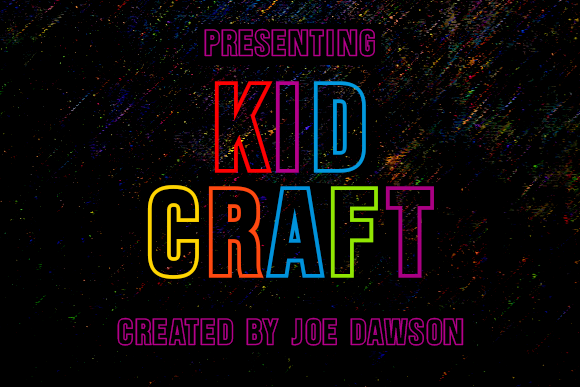
Selecting the right typography is a critical step in any design project, as it sets the tone and influences how an audience perceives information. Kid Craft has emerged as a popular choice for designers seeking a balance between playfulness and readability. This typeface is categorized as a fun and casual display font with a cheerful vibe. Despite its whimsical appearance, it features clean, beautiful lines that allow it to perform well in both formal and non-formal designs. This evaluation explores the characteristics of Kid Craft, helping readers determine if it aligns with their specific project goals.
Understanding the Typography
Kid Craft is not merely a standard handwriting font; it is a display typeface designed to capture attention through personality. The name suggests a connection to childhood activities, which is reflected in the letterforms' structure. Unlike many novelty fonts that rely on excessive decoration or irregular spacing, Kid Craft maintains a level of structural integrity. Its clean lines ensure that the text remains legible even at smaller sizes or when used against complex backgrounds.
The font's primary appeal lies in its versatility. While it exudes a casual atmosphere, the underlying geometry prevents it from looking messy or unprofessional. This duality allows designers to use it in contexts where a strictly serious font might feel too rigid, yet a purely decorative script might be too distracting. The cheerful vibe is achieved through rounded terminals and consistent stroke weights, creating a friendly and approachable aesthetic without sacrificing clarity.
Reasons to Consider Kid Craft
When evaluating typography options, designers often look for fonts that can convey emotion instantly. There are several compelling reasons to incorporate Kid Craft into a design workflow:
- Enhanced Approachability: The font naturally lowers barriers between the brand and the user. It signals friendliness and openness, making it ideal for industries focused on care, education, or community.
- Visual Distinction: In a sea of sans-serif and serif body copy, a display font like Kid Craft provides a unique focal point. It breaks up monotony and guides the reader's eye to key headlines or calls to action.
- Clean Aesthetic: Many playful fonts suffer from "noise" or visual clutter. Kid Craft avoids this by maintaining smooth curves and open counters, ensuring the design looks polished rather than chaotic.
- Broad Compatibility: As noted in its description, this typeface is capable of bridging the gap between formal and informal settings. This reduces the need to search for multiple fonts to achieve a cohesive look across different marketing materials.
Benefits and Tradeoffs
No single typeface is perfect for every scenario. Understanding the tradeoffs associated with Kid Craft is essential for making an informed decision. The primary benefit is its ability to inject energy into static layouts. However, this comes with specific limitations regarding usage volume.
One significant consideration is legibility in long-form content. Like most display fonts, Kid Craft is optimized for headlines, titles, and short phrases. Using it for body paragraphs can lead to reader fatigue due to the high level of stylistic detail in each character. Designers must exercise restraint, using the font sparingly to maintain its impact. If overused, the cheerful nature can quickly become overwhelming or appear juvenile.
Another factor to weigh is the perception of professionalism. While the font can work in semi-formal designs, it may undermine authority in contexts requiring strict seriousness, such as legal documents or financial reports. The decision to use Kid Craft depends heavily on the desired brand voice. If the goal is to establish trust through tradition, a more neutral typeface might be preferable. Conversely, if the goal is to build rapport through warmth, Kid Craft offers a strong advantage.
Ideal Use Cases
To maximize the effectiveness of Kid Craft, it should be deployed in situations where its specific attributes are assets rather than liabilities. The following scenarios represent strong fits for this typeface:
- Educational Materials: Worksheets, classroom posters, and educational apps benefit from the font's engaging and accessible style. It encourages interaction and makes learning materials feel less intimidating.
- Children's Products and Services: Packaging for toys, clothing lines for kids, and websites for daycare centers can leverage the font's cheerful vibe to resonate with young audiences and their parents.
- Event Branding: Invitations for birthday parties, baby showers, or family reunions often require a personal touch. Kid Craft provides a handmade feel that digital scripts sometimes lack.
- Social Media Graphics: Short, punchy captions and promotional posts on platforms like Instagram or Pinterest gain visibility through bold, distinctive typography. The clean lines ensure these graphics remain readable on mobile devices.
When to Explore Alternatives
While Kid Craft is a versatile tool, there are instances where other typefaces may serve the project better. Designers should consider alternatives if the project requires extensive text bodies, a highly corporate identity, or a minimalist aesthetic.
If the design needs to support dense information, such as a white paper or a technical manual, a dedicated sans-serif or serif font will provide superior readability. Similarly, for luxury brands or high-end services, the casual nature of Kid Craft might clash with the desired image of exclusivity and sophistication. In these cases, a more refined or neutral display font would likely yield better results.
Additionally, if the design system relies on extreme minimalism, the distinct character of Kid Craft might introduce too much visual weight. In such environments, a geometric sans-serif might offer the necessary clean lines without the added personality that could distract from the core message.
Practical Decision-Making Insights
Selecting a font is ultimately a strategic decision based on the target audience and the communication objectives. Before committing to Kid Craft, designers should ask themselves specific questions about the project's requirements. Does the content need to feel warm and inviting? Is the primary medium print or digital, and how will the font render at various resolutions?
Testing is a crucial part of this process. Placing Kid Craft alongside potential body fonts can reveal how well they harmonize. Because Kid Craft has clean lines, it pairs well with simple, understated sans-serifs. This combination allows the headline to carry the personality while the body text ensures clarity. Conversely, pairing it with another decorative font often results in a chaotic visual hierarchy.
Ultimately, the strength of Kid Craft lies in its balance. It offers a cheerful presence without abandoning the fundamentals of good design. By understanding its strengths and limitations, creators can leverage this typeface to enhance their projects effectively. Whether used for a school newsletter or a boutique product label, Kid Craft provides a reliable foundation for designs that aim to connect with people on a human level.
For those researching fonts that blend fun with functionality, Kid Craft represents a solid option. Its ability to adapt to different contexts while maintaining a distinct identity makes it a valuable addition to a designer's toolkit. However, success depends on thoughtful application. When used with intention and awareness of the context, it can elevate a design from ordinary to memorable.